
Last Updated: November 19, 2026
Quick Summary
A panel upgrade is worth it for resale when your panel is old, recalled, or undersized, because it protects your sale from repair requests and stalled contracts. It rarely raises appraised value, so expect the return through avoided concessions rather than a higher sale price.
- An electrical panel upgrade does not reliably raise appraised value the way a kitchen remodel does.
- The upgrade usually pays for itself through avoided concessions rather than a higher sale price.
- Replace a hazardous or recalled panel before listing, since it can end a contract or hold up financing.
- Do not start a service upgrade inside a thirty-day closing window; utility coordination rarely compresses to fit.
- If your panel is less than twenty years old and passes inspection, put the money elsewhere.
Table of Contents
- Panel Upgrade vs. No Upgrade: The Two Scenarios Side by Side
- Does an Electrical Panel Upgrade Increase Home Value?
- Cost of Replacing an Electrical Panel: What Drives the Number
- Cost to Upgrade an Electrical Panel to 200 Amps
- Electrical Panel Upgrade Before Selling a Home: The Decision Tree
- Signs Your Panel Will Sink a Sale: Age, Recalls, and Fire Risk
- Alternatives to a Full Service Upgrade When the Clock Is Short
- Request Your Panel Assessment Before You List
- Frequently Asked Questions
Panel Upgrade vs. No Upgrade: The Two Scenarios Side by Side
Whether a panel upgrade is worth it for resale depends less on the panel itself and more on what a buyer’s inspector finds. The honest answer starts with a simple split: a safe, adequately sized panel protects your sale, while an undersized or failing one invites negotiation.
Here is the comparison that matters before you list:
| Factor | Upgrade Before Listing | Sell As-Is |
|---|---|---|
| Buyer perception | Modern, documented, low risk | Deferred maintenance flag |
| Inspection outcome | Fewer repair requests | Likely findings on the report |
| Negotiation position | Stronger, fewer concessions | Buyer may demand credits |
| Out-of-pocket timing | Paid before closing | Discounted into the sale price |
| Best for | Older panels, high-demand homes | Recent panels, tight timelines |
The two scenarios rarely produce the same outcome. One transfers risk to you before closing; the other transfers it to the buyer, who prices that risk into an offer.
Does an Electrical Panel Upgrade Increase Home Value?
An electrical panel upgrade does not reliably raise appraised value the way a kitchen remodel does. Appraisers measure square footage, condition, and comparable sales; a newer breaker box supports the condition rating but rarely moves the number on its own.
The useful way to answer the value question is to separate the two channels and score each one for your home.
Channel 1: Appraised value. Expect little to no direct bump.
Channel 2: Negotiation friction. This is where the money usually is. A buyer’s inspector who finds a recalled panel, double-tapped breakers, or a service that cannot support the home’s appliances gives the buyer a specific, documented reason to request a credit or walk.
A practical resale ROI framework looks like this:
- Estimate the upgrade cost. Get a written quote that includes permit and inspection fees, not just labor and materials.
- Estimate the likely buyer objection. Ask your agent what comparable sales in your area include and what buyers in your price band expect. If most comparable homes have 200-amp service, an undersized panel becomes a predictable repair request.
- Estimate the concession. A repair credit or price reduction is usually negotiated under time pressure, when the seller has less leverage than before listing.
- Compare the two numbers. When the pre-listing upgrade costs less than the likely concession plus the risk of a stalled contract, upgrading is the better financial move even though it adds no appraised value.
A common pattern is that the upgrade pays for itself through avoided concessions rather than through a higher sale price. Sellers who expect a dollar-for-dollar return are usually disappointed. Sellers who expect fewer repair requests and a smoother closing usually are not.
The Appraisal Institute’s guidance on property condition supports this distinction: condition and safety affect how a home is valued relative to comparables, not as a standalone premium.
Watch out: a seller who upgrades a sound, adequately sized panel hoping for a value bump is spending money on the wrong channel. The return on a healthy panel is zero, because there was no objection to avoid.
Cost of Replacing an Electrical Panel: What Drives the Number
The cost of replacing an electrical panel varies widely because the panel itself is rarely the largest line item. Labor, permit fees, and the condition of the wiring feeding the panel usually decide the total.
Pricing depends on the scope of the work. Contact High Quality Electric of NYC LLC through its website for current pricing or a quote. The variables that move the number most:
- Amperage target: a like-for-like swap costs far less than a service upgrade to 200 amps
- Service entrance condition: corroded mast, meter, or grounding means more work
- Permit and inspection fees: set by the local authority, not the contractor
- Panel location: a basement panel with clear access is simpler than one buried behind finished walls
- Remediation: aluminum branch wiring, double-tapped breakers, or undersized feeders add scope
Watch out: a quote that excludes permit fees and inspection costs is not a quote. Ask what is included in writing before you compare bids.
Cost to Upgrade an Electrical Panel to 200 Amps
The cost to upgrade an electrical panel to 200 amps runs higher than a straight replacement because the service itself changes. A service upgrade to 200 amps can involve a new panel, updated service equipment, grounding work, and coordination with the utility.
Three factors separate a 200-amp upgrade from a simple swap:
- Utility coordination. The service disconnect and reconnect usually require the utility to schedule work, which adds time.
- Grounding and bonding. Modern code compliance means the grounding electrode system is brought up to current standards.
- Load calculation. A licensed electrician documents that 200 amps is appropriate for the home’s demand, which the inspector will review.
For homes adding an electric vehicle charger or converting to electric appliances, 200-amp service is often the practical minimum. For a small home with gas heat and no EV, a 100-amp service may remain adequate.
Electrical Panel Upgrade Before Selling a Home: The Decision Tree
An electrical panel upgrade before selling a home should follow a clear sequence, not a gut feeling. The first split is between panels that create a safety or code problem and panels that are merely older than buyers prefer. Those two situations call for different spending.
Branch A: The panel is a hazard or a known defect. Replace it before listing. This branch includes recalled panel brands, fuses instead of breakers, scorch marks, rust, a burning smell, double-tapped breakers, and any panel an inspector would flag as unsafe. These are disclosure items. A hazard finding does not just cost you a repair; it can end a contract or hold up a buyer’s financing.
Branch B: The panel is sound but old or undersized. This is the optional-upgrade branch, and the decision depends on your timeline and your market.
- Listing in under thirty days with a sound panel. Documenting the panel’s condition can be enough. Gather permit records, photos, and a licensed electrician’s letter confirming the panel is safe and adequately sized. A clear documentation package often satisfies a buyer’s concern without any work at all.
- Listing in under thirty days with an aging but functional panel. Do not start a service upgrade you cannot finish before closing. Instead, correct specific defects, such as double-tapped breakers or damaged breakers, and document the rest. A partial fix plus disclosure is usually better than a rushed full upgrade.
- Listing months out with an aging panel. Upgrade now. You have time to pull permits, coordinate with the utility, and pass inspection without deadline pressure, and the completed, permitted work becomes a selling point rather than a surprise finding.
- Staying in the home for years. The resale question becomes secondary. Upgrade when the panel limits what you want to do, such as adding an electric vehicle charger, converting appliances to electric, or finishing a basement, and treat the resale benefit as a bonus rather than the reason.
- What does your agent expect buyers to ask for? If comparable homes in your price band have 200-amp service, expect repair requests without it. If they do not, an undersized panel is less of a liability.
A common mistake is upgrading a panel that is already modern and adequately sized. If your panel is less than twenty years old and passes inspection, put the money elsewhere.
Watch out: starting a service upgrade inside a thirty-day closing window is one of the most common ways sellers turn a minor finding into a delayed closing. Utility coordination and inspection scheduling rarely compress to fit a contract deadline.
Signs Your Panel Will Sink a Sale: Age, Recalls, and Fire Risk
The clearest warning signs are age, recalled equipment, and heat. Panels from the mid-twentieth century, certain recalled brands, and any panel that is warm to the touch or smells of burning are the ones that stall closings.
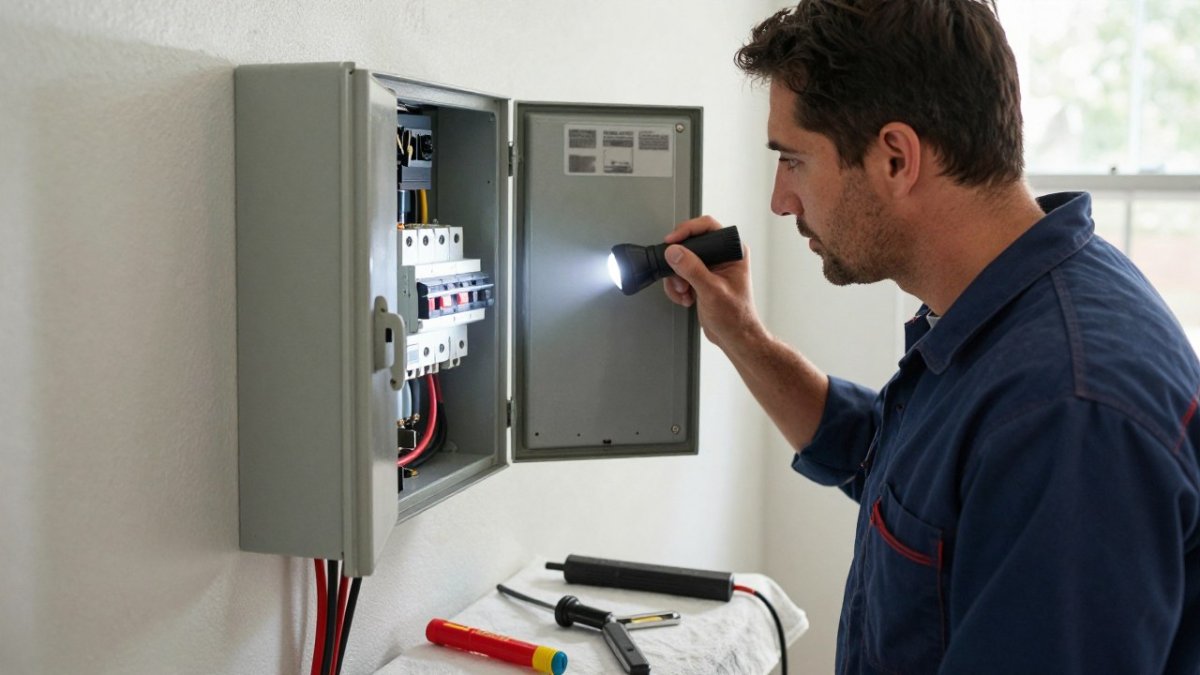
Look for these during a pre-listing walkthrough:
- Age over 30 years with no documentation of replacement
- Recalled panel brands that insurers and inspectors flag
- Flickering lights or breakers that trip repeatedly under normal load
- A burning smell or discoloration around the panel
- Fuses instead of breakers, which many buyers treat as outdated
- No permit history for prior electrical work
The U.S. Consumer Product Safety Commission maintains recall information for electrical equipment, and an inspector will check it. A fire hazard finding does not just cost you a repair; it can end a contract.
Alternatives to a Full Service Upgrade When the Clock Is Short
A full service upgrade is not the only path. When a closing date is close, targeted work can resolve the specific finding without replacing the entire service.
Options we discuss with sellers:
- Panel replacement only: swap the box and breakers while keeping the existing service size
- Targeted repairs: correct double-tapped breakers, replace damaged breakers, and restore grounding
- Load management devices: allow an EV charger to share capacity with existing appliances
- Documentation package: photos, permit records, and a licensed electrician’s letter confirming the panel is sound
A clear inspection report from a licensed electrician can sometimes satisfy a buyer’s concern without any work at all.
Request Your Panel Assessment Before You List
The decision comes down to risk, not return. A panel upgrade rarely pays for itself in appraised value, but it protects your sale from repair requests, disclosure problems, and stalled contracts. That trade-off is worth making when the panel is old, recalled, or undersized, and worth skipping when it is sound.
High Quality Electric of NYC LLC has served property owners since 2012 with licensed and insured work, same-day and weekend appointments, and fair, competitive pricing on both residential and commercial projects. Contact us to request your appointment and a panel assessment.
Get ahead of the inspection instead of reacting to it. Request an appointment with High Quality Electric of NYC LLC and get a written assessment of your panel before your listing goes live.
Frequently Asked Questions
Does a panel upgrade increase home value?
It rarely raises the appraised value by the full cost of the work. Appraisers compare your home to recently sold properties, and a newer panel is one line among many in that comparison. What a panel upgrade does reliably is remove a buyer objection: an outdated or recalled panel shows up in the inspection report and becomes a negotiation point. Think of it as protecting your asking price rather than adding to it.
Is a panel upgrade worth it before selling my home?
It depends on three things: the panel’s condition, your timeline, and your buyer pool. A recalled panel or one with obvious fire risk should be addressed regardless of sale plans. If the panel is functional but old, a pre-listing inspection tells you whether buyers will flag it. Homes marketed to buyers who plan to add an electric vehicle charger or finish a basement benefit most from a documented 200-amp service.
How much should a panel upgrade cost?
Pricing depends on the amperage target, the condition of the existing wiring, permit fees, and whether the meter or service entrance needs work. A straightforward replacement costs far less than a full service upgrade that includes a new mast and exterior work. Ask for a written scope that separates labor, materials, permits, and any contingency for discovered issues so the final invoice does not surprise you.
Will a home inspection require an electrical panel upgrade?
An inspector will not order you to upgrade, but they will document double-tapped breakers, missing knockouts, rust, scorch marks, and recalled brands such as Federal Pacific or Zinsco panels. Those notes go straight to the buyer’s agent and typically turn into a repair request. Handling the panel before the inspection keeps the conversation on price rather than safety.
